Why many shops outgrow informal systems faster than expected
Small and medium-sized shops across Nigeria often begin with a simple setup: handwritten records, mental stock estimates, and occasional spreadsheet updates. That can work for a short time, especially when one owner handles most of the oversight personally. But once product range expands, staff numbers increase, and daily customer traffic rises, informal methods start creating expensive blind spots. Products go missing without clear explanations, pricing errors become common, and the owner spends too much time checking details that should already be visible in the system. This is where shop management software becomes valuable.
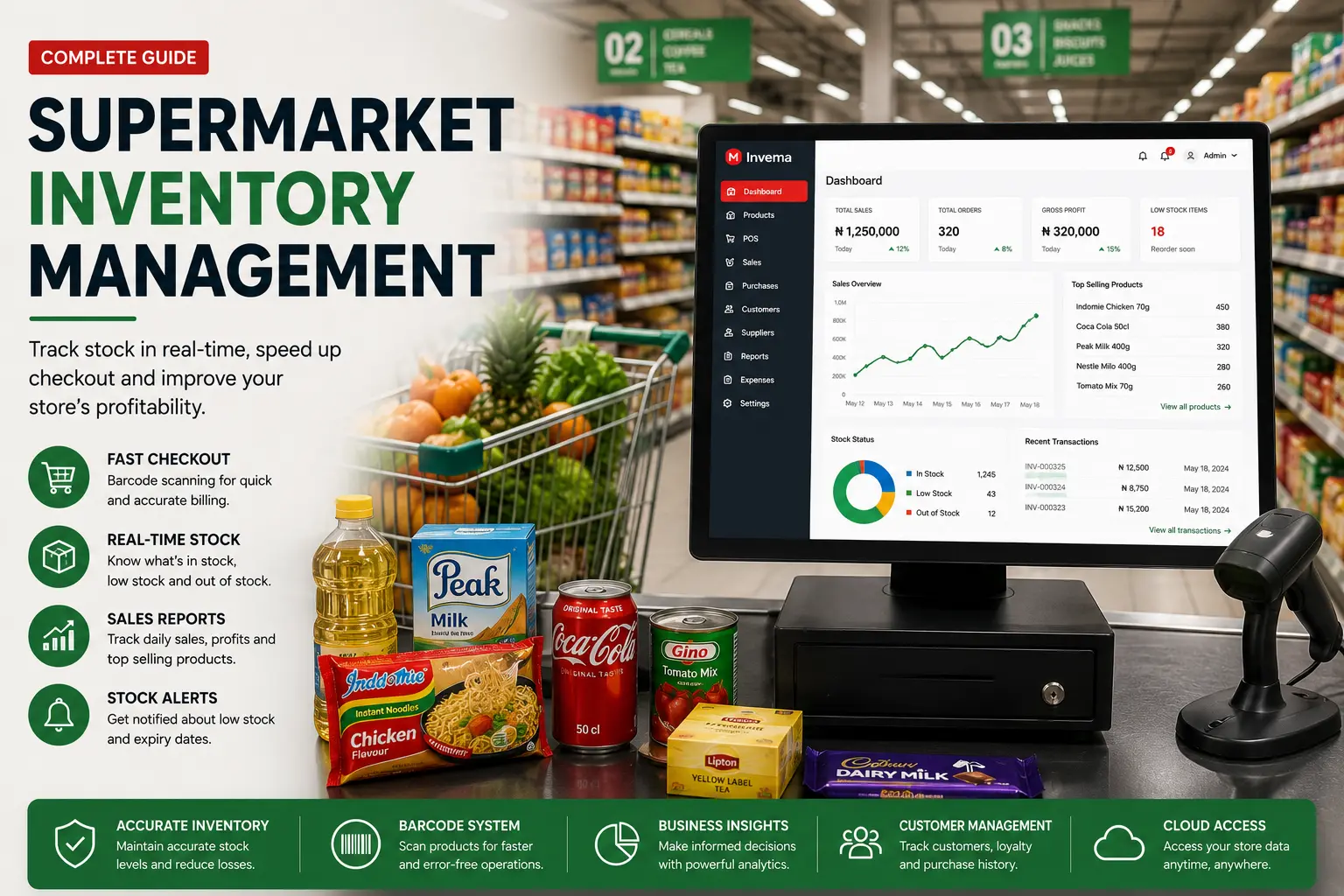
Good shop software should improve far more than billing. It should help the business track stock, review sales activity, manage replenishment, and understand how different products contribute to cash flow. In practical terms, it becomes the operating system for the shop. That matters because growth is easier when the owner can trust the daily numbers instead of repeatedly verifying them by hand.
What shop software should help a business do better
The software should make product setup simple, sales execution quick, and stock updates dependable. Staff should be able to look up items easily, confirm quantities, and complete checkout without awkward delays. The system should also support receiving stock and reviewing what has moved over time. This is why many businesses researching shop management tools eventually compare them with broader retail inventory software and stock management software options. The same core need is driving the search: cleaner daily control.
Shop owners also need reports that are practical, not overwhelming. Which items are selling fastest? Which ones are sitting too long? Which categories bring the best turnover? When should new stock be ordered? Clear answers to those questions support better cash decisions. Without them, the shop risks tying down money in the wrong products while running out of the items customers ask for most.
Customer experience is affected by internal control
Customers feel the impact of weak inventory systems immediately. They experience delays at checkout, uncertainty about product availability, and inconsistent answers from staff. When the shop uses a dependable system, service becomes smoother and more confident. The cashier can find items quickly, the owner can respond to product questions faster, and popular products are more likely to be available when needed. In that sense, shop management software is not only an internal tool. It directly improves how the business feels to the customer.
Barcode support can strengthen this effect even more. When products are scanned rather than typed repeatedly, service speeds up and stock updates become more accurate. That is why many shop owners also explore barcode inventory software as part of the same improvement journey.
Preparing for growth the right way
A shop that plans to grow needs software that can support more than today’s workload. Even if the business has only one location now, it may later add more branches or a bigger product range. Choosing a system that can grow into stronger reporting and branch coordination is a smart move. Businesses that eventually expand into two or more outlets benefit from ideas covered in multi store POS systems because the need for shared visibility rises quickly once operations split across locations.
The best implementation approach is to begin with disciplined product setup, category structure, and clear staff responsibilities. Shop software is most effective when the team agrees on how stock is entered, who approves adjustments, and how end-of-day review happens. Once those habits are in place, the business gets far more value from the reporting and control features inside the system.
Choosing the right fit in Nigeria
For Nigerian shop owners, the right software is the one that matches everyday realities. It should be easy to learn, practical during busy periods, and resilient enough to keep operations moving when internet conditions are not perfect. Most of all, it should help the owner spend less time chasing stock answers and more time improving the business.
Shop management software is one of the clearest upgrades a growing business can make. It creates better control, sharper reporting, and smoother service, all while laying the groundwork for future expansion.
Frequently Asked Questions
Is shop management software only for large stores?
No. Small and medium-sized shops often benefit the most because the software helps them build clean operating habits early.
Can shop software also manage stock?
Yes. Good shop systems connect sales and inventory so the owner can track what is available and what has moved.
Should a shop use barcode support?
If the shop handles many products or wants faster checkout and cleaner stock counts, barcode support is highly valuable.